test

How Swisca Scales are Saving Energy!

Use of Compressed Air  

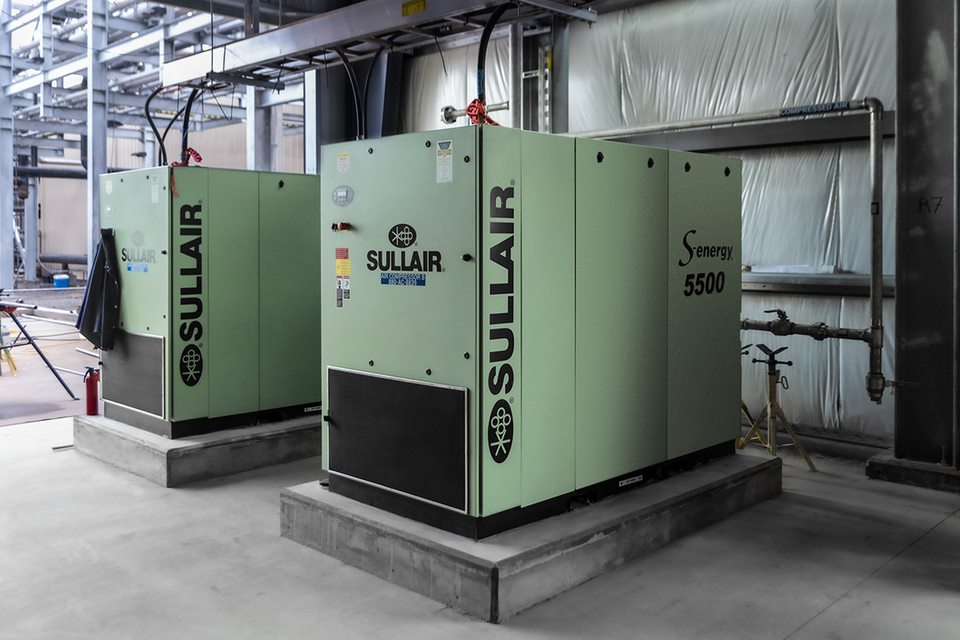
Historically, milling operations have used compressed air to provide “motion power” to various systems.   Some uses include engaging/disengaging feed rolls, scales, various types of cleaning equipment, and general use for tools and housekeeping.   Compressed air systems generally consist of large electric motors to power a mechanical compressor system to provide a positive air pressure that is sent out through a network of piping throughout the mill.   

The reality is that compressed air is inefficient and a very expensive way to produce movement.  Many studies put the efficiency of a compress air system between 10-15% percent.  

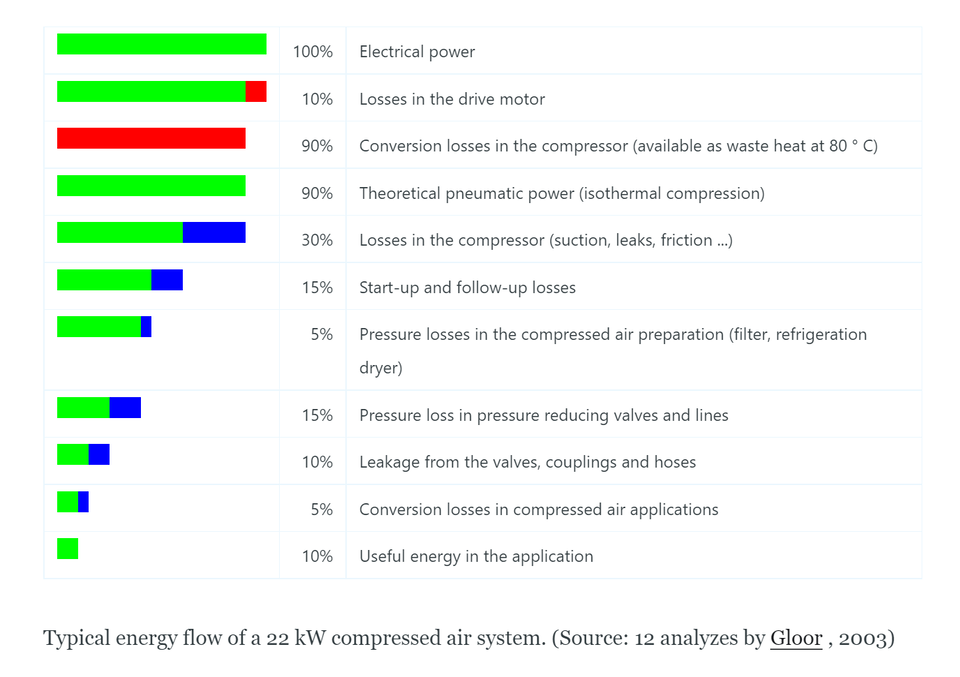
There are many factors that contribute to this inefficiency (see chart to right):

  • losses due to suction, friction, leaks in the compressor itself (~30% of the energy losses)
  • losses for every time the system goes in standby and its restarted (~15%)
  • losses generated by the filters, coolers or dryers, (~5%)
  • The most common and overseen factor are leaks in valves and hoses, approximately (~10%)
  • pressure loss due to valves, bends and the length of the line (~15%)
  • losses due to force conversion in the applications itself (~5%) 

Other issues include a significant amount of heat and noise generated from compressor operation causing need for ancillary ventilation and use of two forms of hearing protection by our employees.  Finally, these systems require significant time and expense for installation and maintenance.   

The Maintenance teams have been focusing on identifying and repairing many of the leaks in the distribution system which is saving $1,000’s annually.   

Along comes Swisca 

Swisca is a vendor based in Switzerland who manufacture a series of equipment focused on improving efficiency and function.   Swisca was started by former Buhler employees who sought ways to improve on older, less efficient processes.   

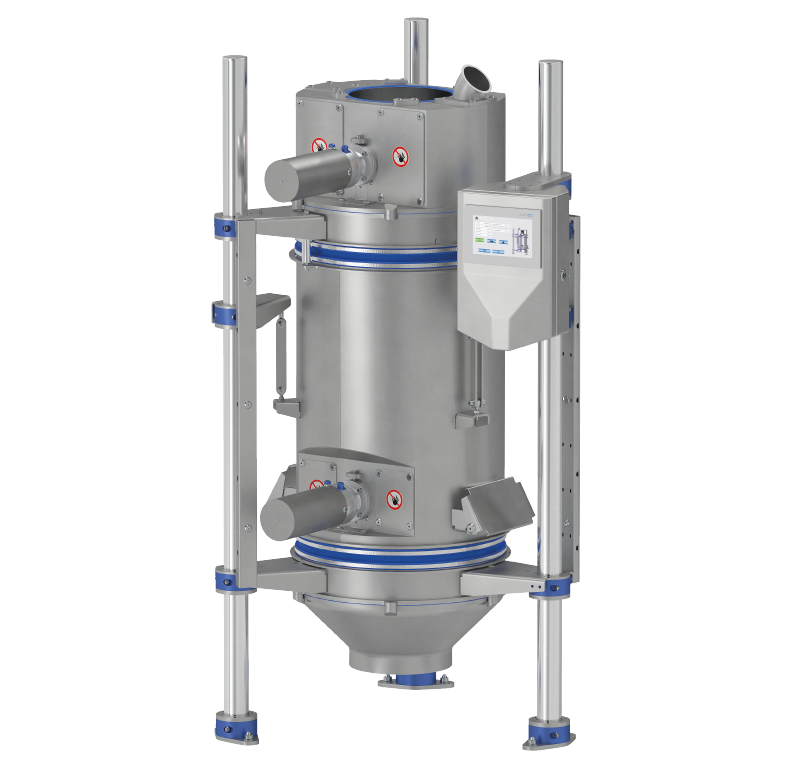
One product that Miller has found highly effective are scales (see image to right) that use individual, high-efficiency electric Cervo motors to open and close gate openings.   Other competitors’ models of scales performing the same process used compressed air to actuate the slide gates.

Swisca Scales design highlights:

  • Straightforward touch screen (much easier to understand for the user than competitor)
  • IOT compatible control (IOT Ready to share data with the cloud to improve efficiency)
  • High-quality measuring cells (High end load cells to ensure highest precision)
  • Energy-efficient servo drives (Biggest difference. 24v servo drives coupled with capacitors will safe over 90% energy compared to compressed air)
  • Good accessibility for cleaning (very good sanitation and the whole scale is built out of Stainless)
  • Metal detectable connections (all rubber seals are metal detectable)
Swisca CERVO Scale

To date, we have installed 53 of the Swisca scales with many more coming as part of other upgrade and expansion projects.    These scales are a critical component in the growth of automation and technology we are advancing!

The conservative estimate of the savings by switching from compressed air models to the Swisca Cervo model is ~$70,000 annually.   

LA Mill Supports at LA County Foodbank

Most Populated County in USA

Los Angeles County is home to one of the largest populations of any county in the nation (current estimate is 9.83 million residents).  They are also home to one of the largest accounts of hunger.

It is estimated that 1 in 5 (~1.97 million) of their residents in Los Angeles County faces food insecurity.  Hunger affects old and young alike. While fixed-income seniors, people with disabilities and low-income families are the most visible examples of people who struggle, hunger doesn’t stop there. Hunger affects all groups of people regardless of education level, employment status or ethnicity.

Due to the soaring costs of both housing and transportation in Los Angeles County, many people who work– even families with two incomes – often can’t make ends meet or put enough good food on the table.

The global pandemic and related economic fallout has created large numbers of people in this community who are brand new to food insecurity, and never imagined they would be in need of food assistance.

LA Mill Supporting!

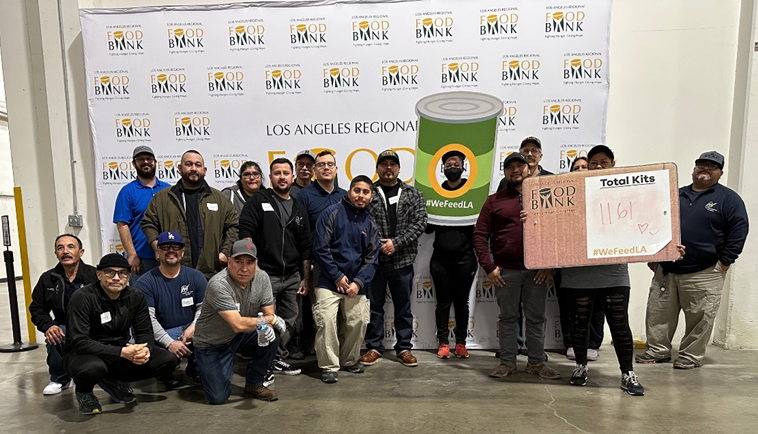
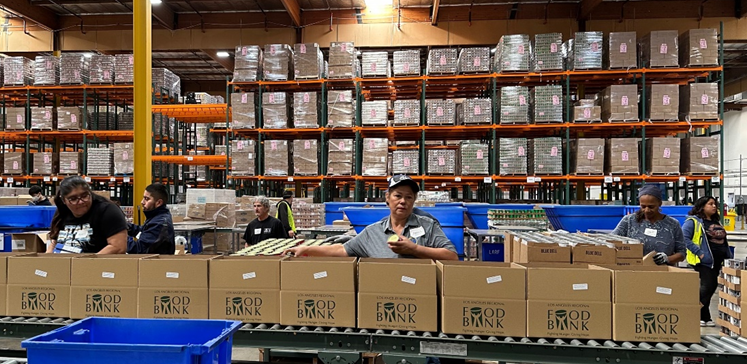
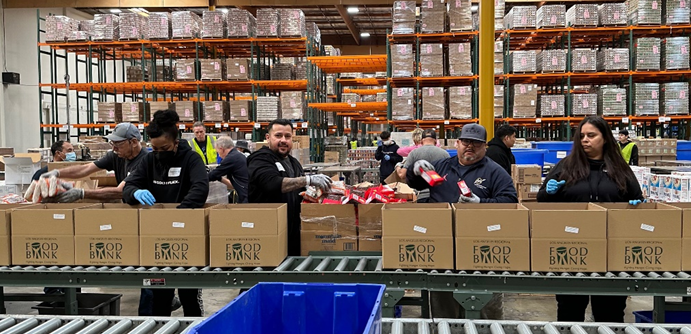
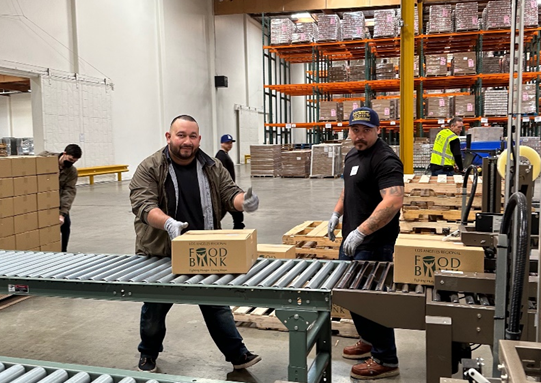
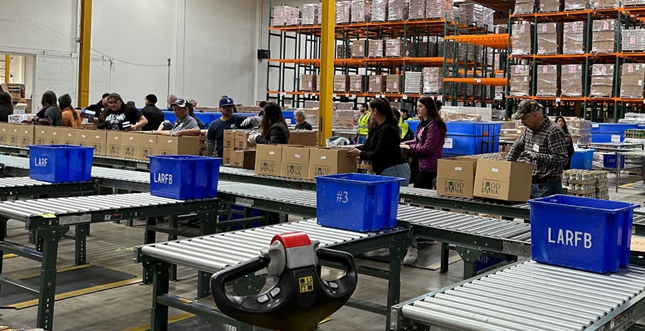
Recognizing the enormous need and opportunity to contribute, 18 LA Mill team members volunteered at the LA County Food Bank to prepare 1,161 meal kits that will be delivered to seniors’ living in Los Angeles County area.

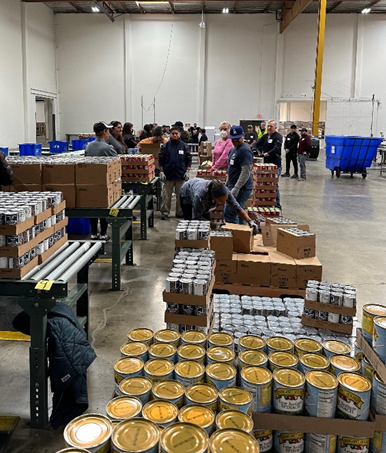
The Miller Milling team members supported at the Food Bank by assembling boxes, worked on an assembly line to fill the boxes with packaged goods and other non-perishable goods, conducted quality control on items being packaged, and finally prepared the boxes for delivery.

The Food Bank shift supervisor commented that our team worked extremely hard and with a very professional manner. 

We Know How To Pack Food!   Way to Go LA!  

The LA Team!

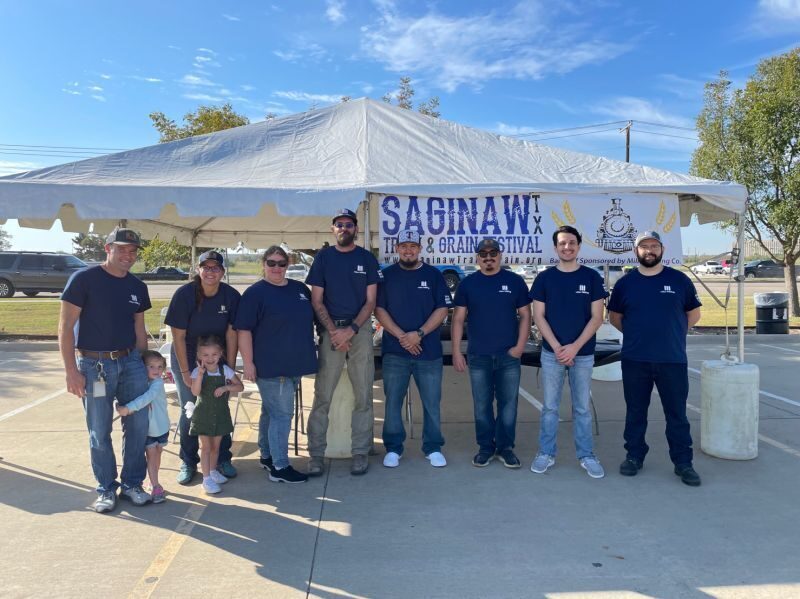
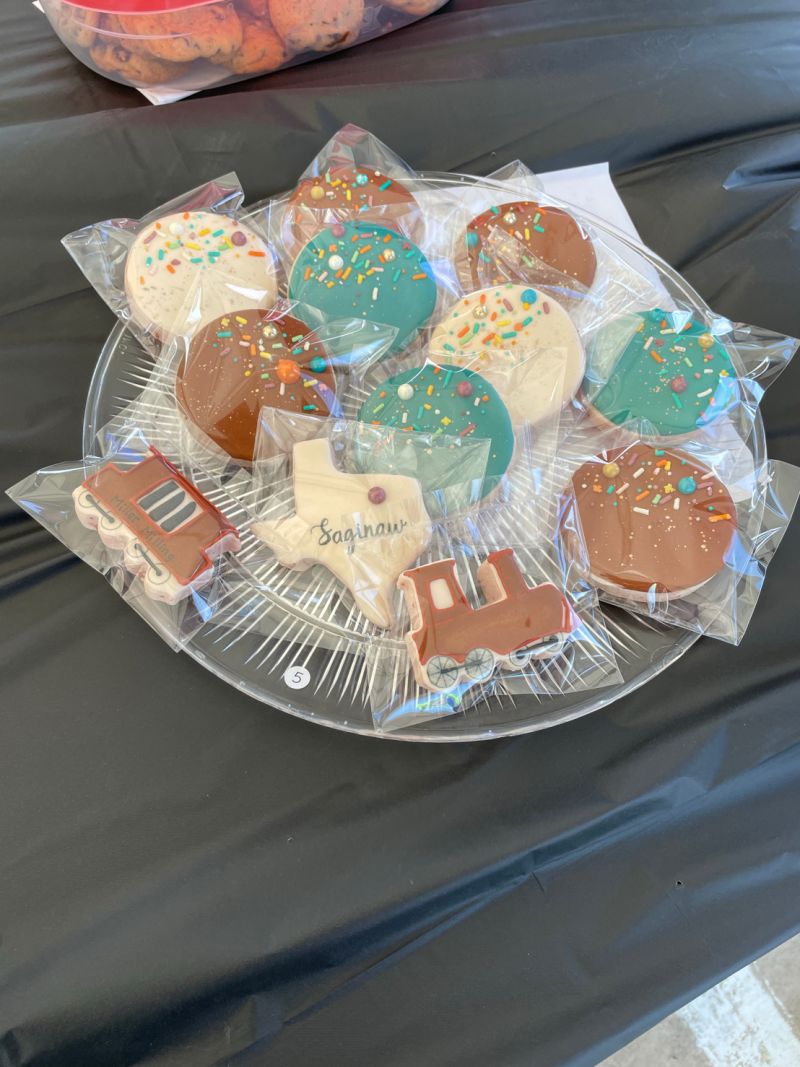
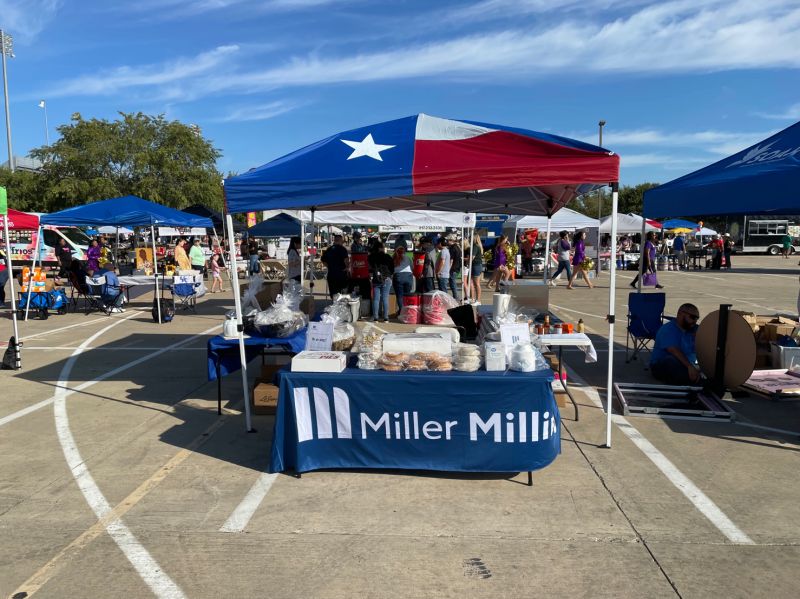
Annual Saginaw Train and Grain Festival

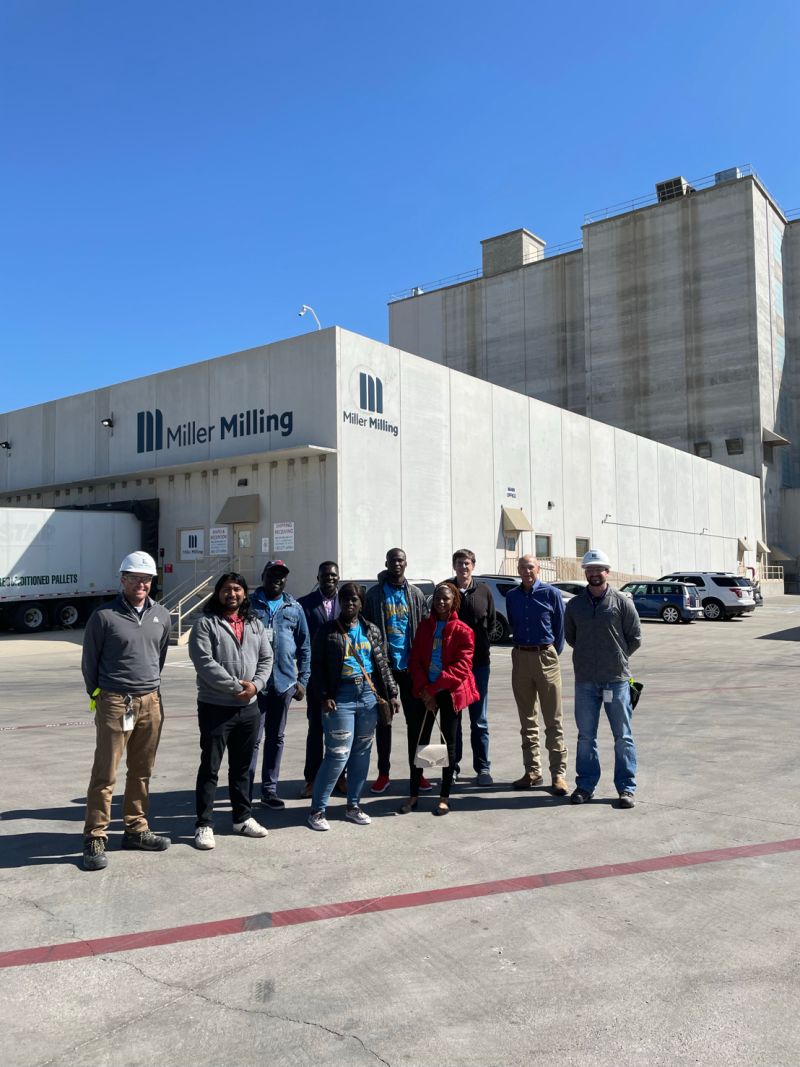
Eric Knott “Enjoyed supporting the community with my team at the annual Saginaw Train and Grain Festival! We handed out samples from our customers to the community and also judged the Bake Off Competition! We wrapped it up with hosting the City of Saginaw and members from our sister city in Banjul, Gambia. #team #community

Girdner named president, CEO of Miller Milling

Published by WORLD-GRAIN.COM 09.30.2022

BLOOMINGTON, MINNESOTA, US — Joe Girdner has been named president and chief executive officer of Miller Milling Co., effective Oct. 1. He will succeed Takuya Mitani, who is returning to Nisshin Seifun Group in Japan.

Girdner has more than 30 years of experience in grain and transportation, including the past nine years at Rogers Foods Ltd. He most recently was president of Rogers Foods Ltd. since 2017 and will continue to hold that position after joining Miller Milling Co. Earlier, he was vice president of logistics and procurement at Rogers Foods, and has worked as the project manager for Rogers Foods’ milling operation expansion in Chilliwack, BC.

“Miller Milling Co. is excited to welcome Joe to our team,” the company said. “Joe has been a trusted colleague for many years at our sister company Rogers Foods, and we look forward to continuing Miller Milling’s success under his leadership. Joe has a strong leadership team to work with at Miller Milling.”

Founded in Minneapolis in 1985, Miller Milling got its start providing durum semolina to large customers through regional destination mills. In 2012, Miller Milling became a part of the Nisshin Seifun Group of Japan.

Miller Milling operates five facilities in the United States and ranks fifth in the nation in daily flour production capacity at 86,600 cwts, according to Sosland Publishing Co.’s 2022 Grain & Milling Annual. Its largest mill is in Winchester, Virginia, US, which is the country’s 10th largest mill with a daily production capacity of 26,500 cwts.Rogers Foods, a subsidiary of Tokyo-based Nisshin Flour Milling Inc., has flour mills in Armstrong and Chilliwack, British Columbia, Canada, which have a combined daily wheat flour production capacity of 13,600 cwts and wheat storage capacity of 420,000 bushels.